
Treatment Plans: Structured Care Pathways for Chronic Disease Management
The Need for Structured Care
Chronic diseases account for 70% of all deaths worldwide. Managing chronic conditions requires coordinated, multi-session care over extended periods. Without structured treatment plans:
- Patients miss follow-up sessions
- Care is fragmented across different clinicians
- Progress is not systematically tracked
- Revenue from planned sessions may be lost
NileByteCare’s treatment plan module addresses these challenges.
What Are Treatment Plans?
A treatment plan is a structured care pathway consisting of multiple sessions, each containing specific activities. Examples include:
- Physiotherapy — 12 sessions of targeted exercises
- Chemotherapy — 6 cycles with specific drug protocols
- Dialysis — Ongoing scheduled sessions
- Diabetes Management — Monthly follow-ups with lab tests
- Post-Surgery Rehabilitation — Progressive recovery sessions
Creating Treatment Plans
Plan Definition
- Title and description
- Patient assignment
- Clinician responsible
- Status: Proposed → Active → OnHold → Completed → Cancelled
- Total estimated cost
- Payment tracking
Session Structure
Each plan has ordered sessions:
| Session | Sequence | Status |
|---|---|---|
| Session 1 | 1 | Completed |
| Session 2 | 2 | In Progress |
| Session 3 | 3 | Pending |
| … | … | … |
| Session 12 | 12 | Pending |
Session statuses: Pending, InProgress, Completed, Cancelled, Skipped
Activities Within Sessions
Each session contains activities:
- Procedure or service to be performed
- Estimated cost
- Tax code mapping
- Linked medical order
- Completion status
Billing Integration
Treatment plan billing is fully integrated:
- Upfront payment — Pay for the entire plan or per session
- Auto-billing — Activities billed automatically when performed
- Insurance — Coverage rules applied to plan activities
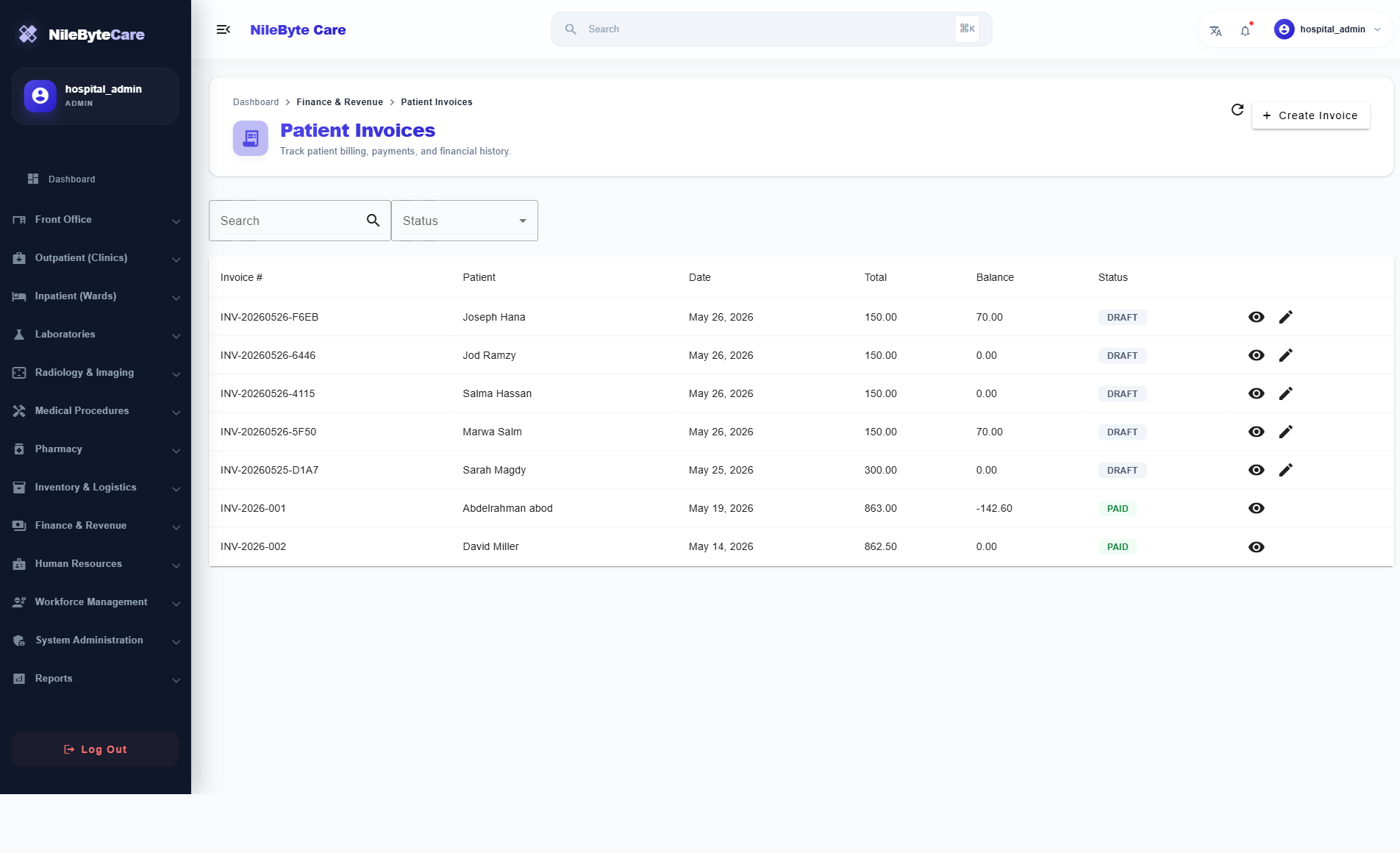
- Payment tracking — Total estimated vs. total paid
- Outstanding balance — Clear visibility into what’s owed
Clinical Benefits
- Continuity of care — Structured follow-up ensures patients complete treatment
- Progress tracking — See which sessions are completed and pending
- Clinician coordination — Multiple clinicians can contribute to one plan
- Outcome measurement — Track treatment efficacy over time
Operational Benefits
- Revenue predictability — Planned sessions provide revenue visibility
- Resource planning — Schedule sessions and allocate resources in advance
- Patient retention — Structured plans keep patients engaged
- Compliance — Documented care pathways meet quality standards
Real-World Applications
Physiotherapy Clinic
A patient with ACL reconstruction needs 12 physiotherapy sessions. The treatment plan defines all 12 sessions with specific exercises. Each session is checked off as completed. Insurance covers 80% of the cost.
Diabetes Management Program
A diabetic patient is enrolled in a 6-month program with monthly consultations, quarterly lab tests, and dietary counseling. The treatment plan tracks all activities and automatically bills as services are delivered.
Implement structured care pathways with NileByteCare’s treatment plan module.
Author at NileByte — sharing insights on software and digital transformation.
Related Articles

Real-Time Notifications: Stay Informed Across Your Healthcare Facility
NileByteCare's real-time notification system keeps clinicians, nurses, lab technicians, and administrators informed with instant alerts delivered via SignalR.

Security and Access Control: Enterprise-Grade RBAC
NileByteCare's role-based access control ensures every user sees only what they need. Granular permissions, audit trails, and LDAP integration provide enterprise-grade security.

Data-Driven Decisions: Executive Dashboards and Reports
Make informed decisions with NileByteCare's comprehensive dashboards and reports. Track clinical, financial, operational, and workforce KPIs in real-time.